
Overview
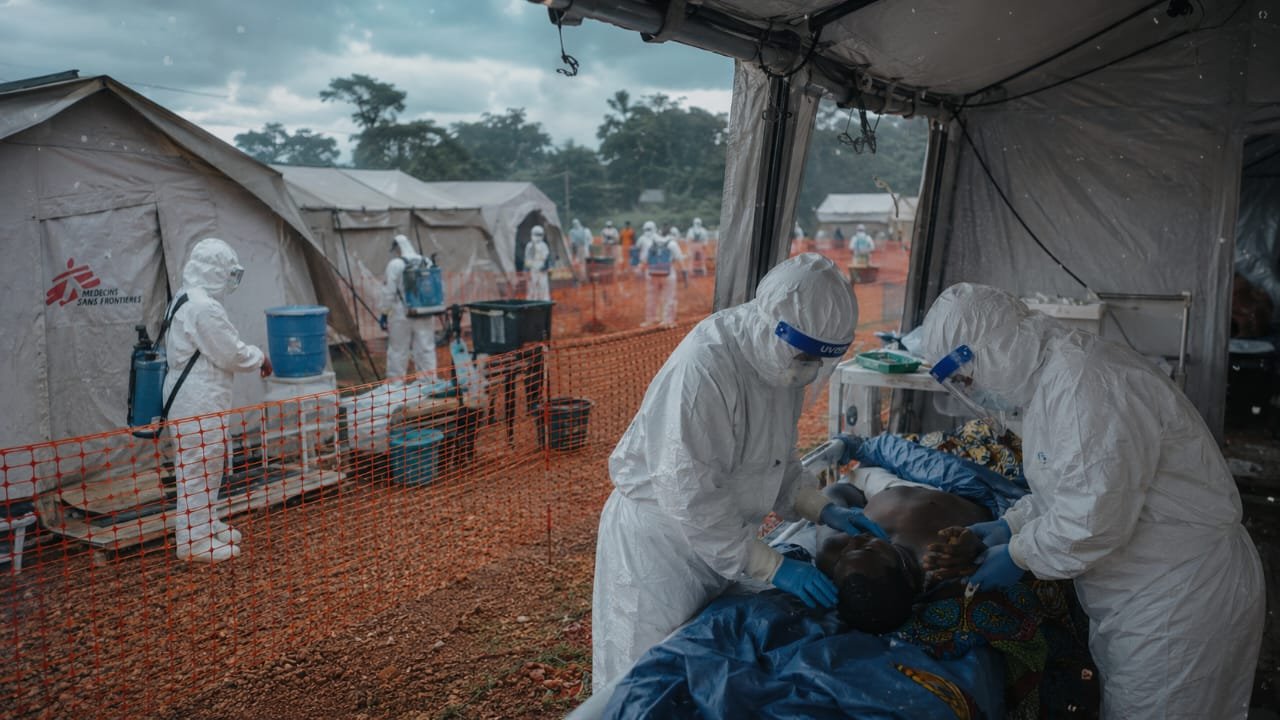
Health authorities in the Democratic Republic of Congo have confirmed that the ongoing Ebola outbreak has crossed 1,000 reported cases, with the death toll rising to 254. Officials continue to intensify containment measures as the virus spreads across affected regions.
Rising Cases Raise Public Health Concerns
According to health officials, the outbreak has shown a steady increase in infections over recent weeks. More than 1,000 suspected and confirmed cases have now been recorded, making it one of the more severe Ebola flare-ups in recent years in the region.
The number of fatalities has also climbed to 254, highlighting the continued threat posed by the virus in areas with limited healthcare infrastructure.
Government and Health Response
Authorities in Congo, along with international health organizations, have ramped up emergency response efforts. These include:
- Expanded contact tracing
- Isolation and treatment of infected patients
- Community awareness campaigns
- Vaccination drives in high-risk zones
Healthcare teams are working to limit transmission chains and prevent further spread to nearby communities.
Challenges in Containment
Experts note that controlling the outbreak remains difficult due to remote locations, delayed reporting, and limited access to healthcare facilities in some affected areas.
Mistrust in health systems and traditional burial practices have also been identified as factors contributing to continued transmission.
Global Health Monitoring
The World Health Organization and other global health agencies are closely monitoring the situation. While Ebola outbreaks are typically contained within regional clusters, the current rise in cases has renewed concerns about preparedness and rapid response capacity.
Conclusion
With Ebola cases in Congo exceeding 1,000 and 254 deaths reported, health authorities are under pressure to strengthen containment measures. Ongoing vaccination and surveillance efforts are critical to controlling the outbreak and preventing further loss of life.