Research Finds Surprising Link Between Sports Fandom and Ideology
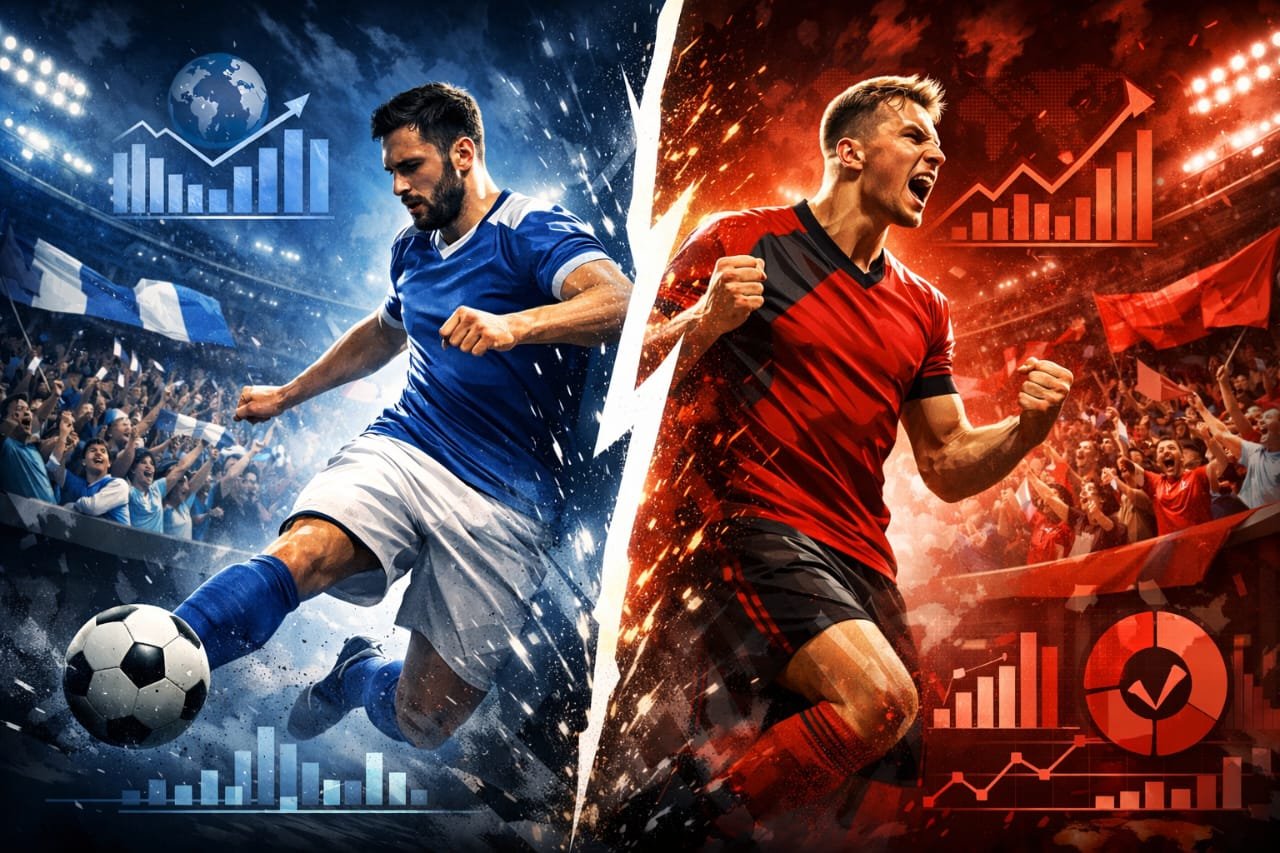
For years, football fans around the world have passionately debated whether Lionel Messi or Cristiano Ronaldo is the greater player. Now, a new international study suggests that the answer may reveal more than just sporting preferences—it could also offer insights into a person's political outlook.
Researchers analyzing responses from more than 10,000 participants across 26 countries found a notable relationship between political ideology and preferences for the two football superstars. The findings indicate that individuals who identify as politically progressive are more likely to favor Messi, while those with more conservative views tend to prefer Ronaldo.
The Global Messi-Ronaldo Rivalry Goes Beyond Football
The rivalry between Messi and Ronaldo has dominated football conversations for nearly two decades. Both players have achieved extraordinary success, won multiple major trophies, and built massive global fan bases.
According to researchers, the appeal of each player may be connected to the public image they project. Messi is often associated with teamwork, humility, and a quieter personality, while Ronaldo is frequently viewed as highly competitive, ambitious, and openly confident about his achievements. These contrasting perceptions may influence how different groups of people relate to each athlete.
Political Identity Emerges as a Key Predictor
The study found that political ideology was one of the strongest factors in predicting whether someone preferred Messi or Ronaldo. While variables such as education, gender, and social background showed limited influence, ideological identity consistently correlated with football preference across multiple countries.
Researchers argue that this reflects a broader phenomenon known as "identity alignment," where political beliefs increasingly shape cultural tastes, entertainment choices, and personal preferences that traditionally appeared unrelated to politics.
Younger Generations Show Stronger Trends
One of the most significant findings involved age differences. The connection between political views and football preferences was strongest among younger respondents. Researchers believe younger generations have grown up in more politically polarized environments, making ideological identity a larger factor in shaping personal interests and cultural affiliations.
Among older participants, the relationship between politics and football fandom was far less pronounced, suggesting that sporting preferences become less politically influenced over time.
Other Personality Traits Also Play a Role
The research also explored personality characteristics and media habits. Findings suggested that individuals with a more analytical mindset showed a slight tendency to favor Messi, while respondents with higher self-confidence and more authoritarian personality traits were somewhat more likely to prefer Ronaldo.
However, researchers emphasized that these associations are relatively modest and should not be interpreted as definitive descriptions of every fan.
Experts Urge Caution
While the findings have generated considerable interest online and among football supporters, experts caution against oversimplifying the results. Political ideology is only one factor among many that influence sporting preferences, and the study does not suggest that every Messi or Ronaldo supporter shares the same beliefs.
The research instead highlights how modern political identities can influence aspects of daily life that were once considered separate from politics, including sports fandom.
Conclusion
The debate over Messi and Ronaldo remains one of football's most enduring rivalries. But according to recent research, choosing a favorite player may reflect more than opinions about goals, trophies, and talent. As political identities increasingly shape cultural preferences, even the world's biggest football debate may offer a glimpse into how people see the world beyond the pitch.